
A bedroom office can get awkward when the desk starts feeling like it owns the whole room. I like setups that make space for work without making the bedroom feel like a storage closet with a bed in it.
The best small bedroom office ideas usually use weird corners, narrow walls, closet space, or furniture that can do more than one job. These feel practical, but still soft enough for a room that is supposed to be restful.
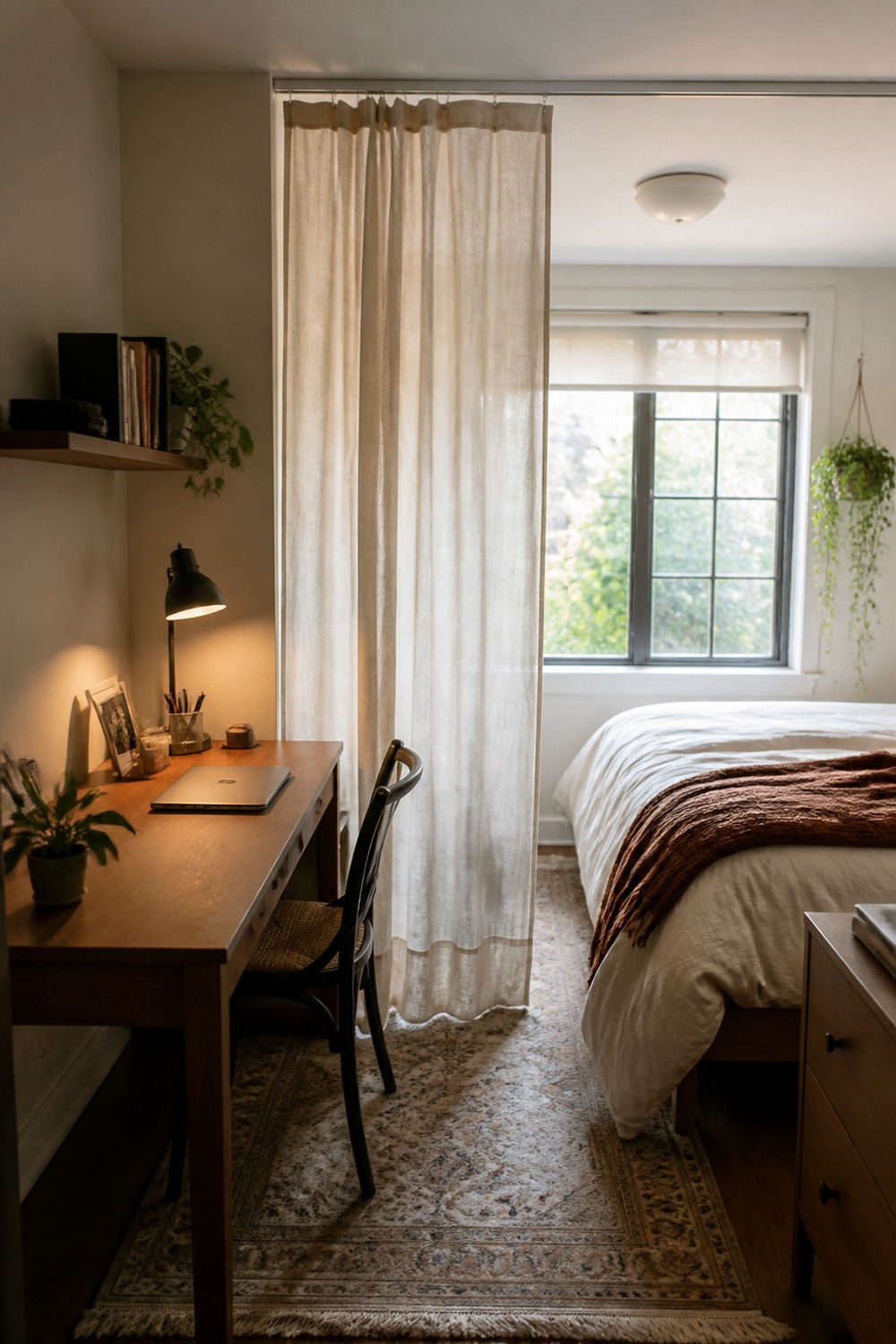
This one feels smart because the little curtain gives the desk its own boundary without building a whole wall. I like how it still feels soft and bedroom-friendly, but when the curtain is half pulled across, the work corner does not visually spill into the bed area as much.
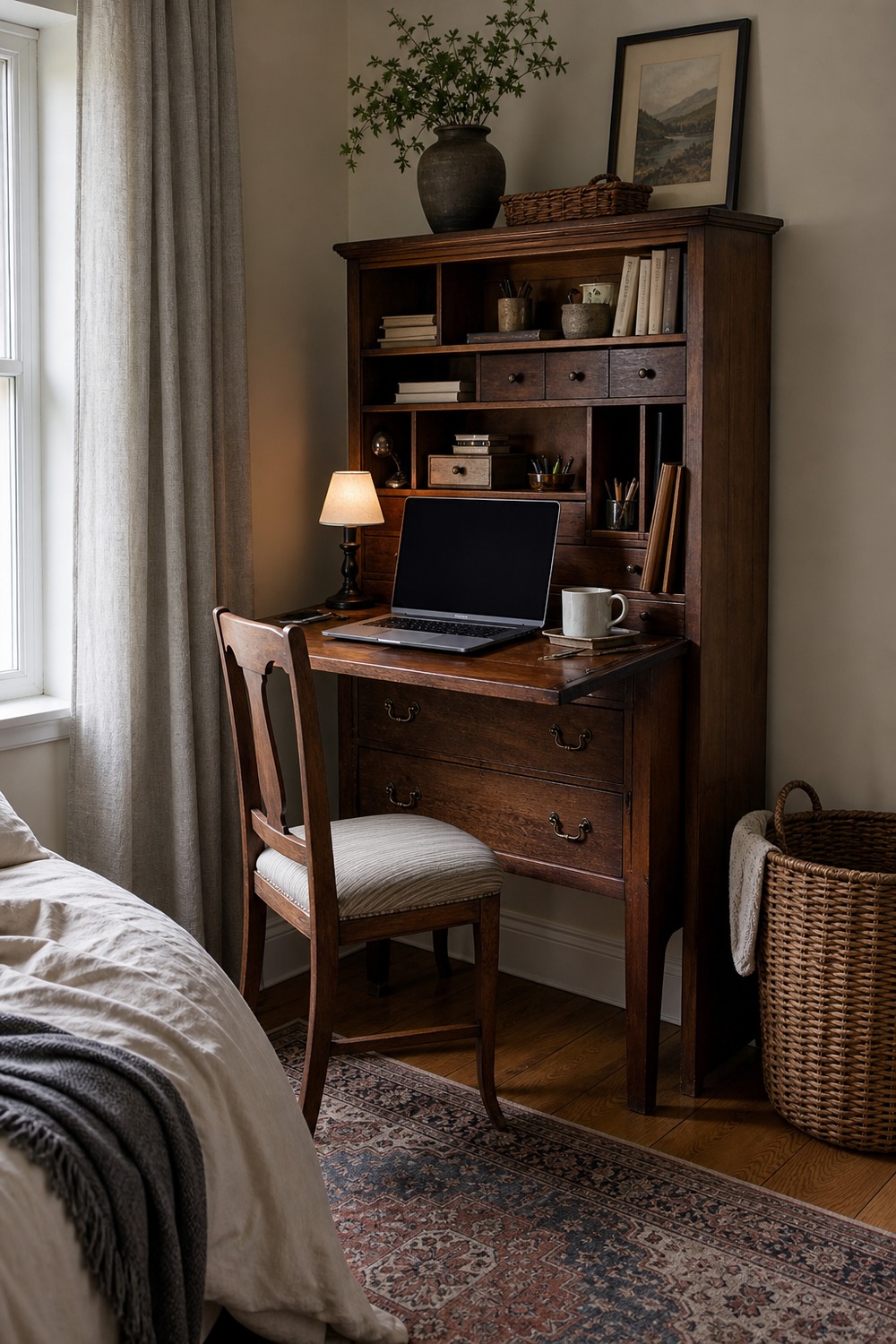
A secretary cabinet is such a good small-bedroom idea because it looks like normal bedroom furniture first and a desk second. The closed-in shape keeps the workspace from feeling messy, and the tiny cubbies make it feel useful without needing a big office setup.
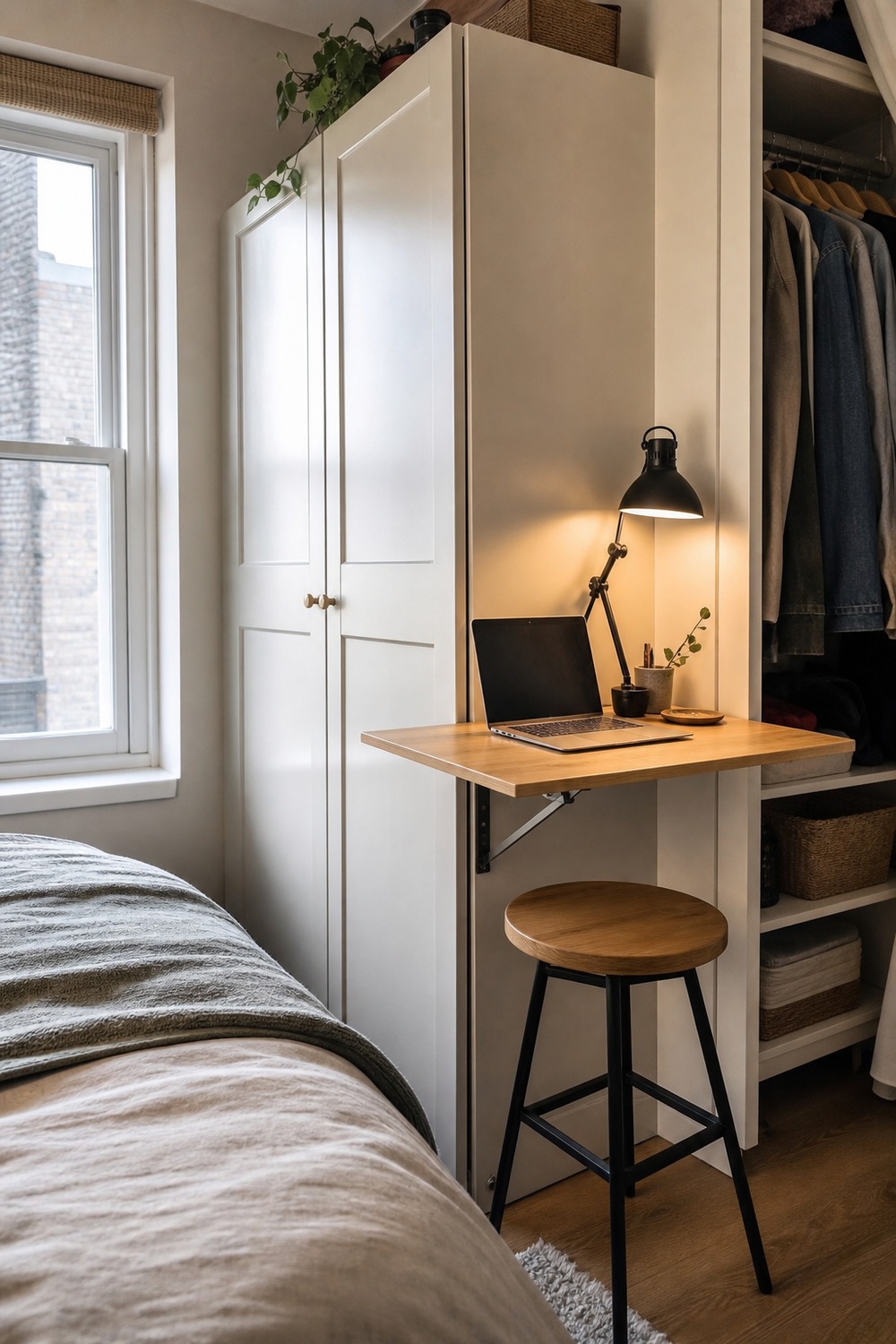
The side of a wardrobe is one of those spots that usually gets ignored, so this setup feels extra clever. A narrow fold-out desk there gives the room a real work surface, but it still keeps the main wall and floor space from getting crowded.
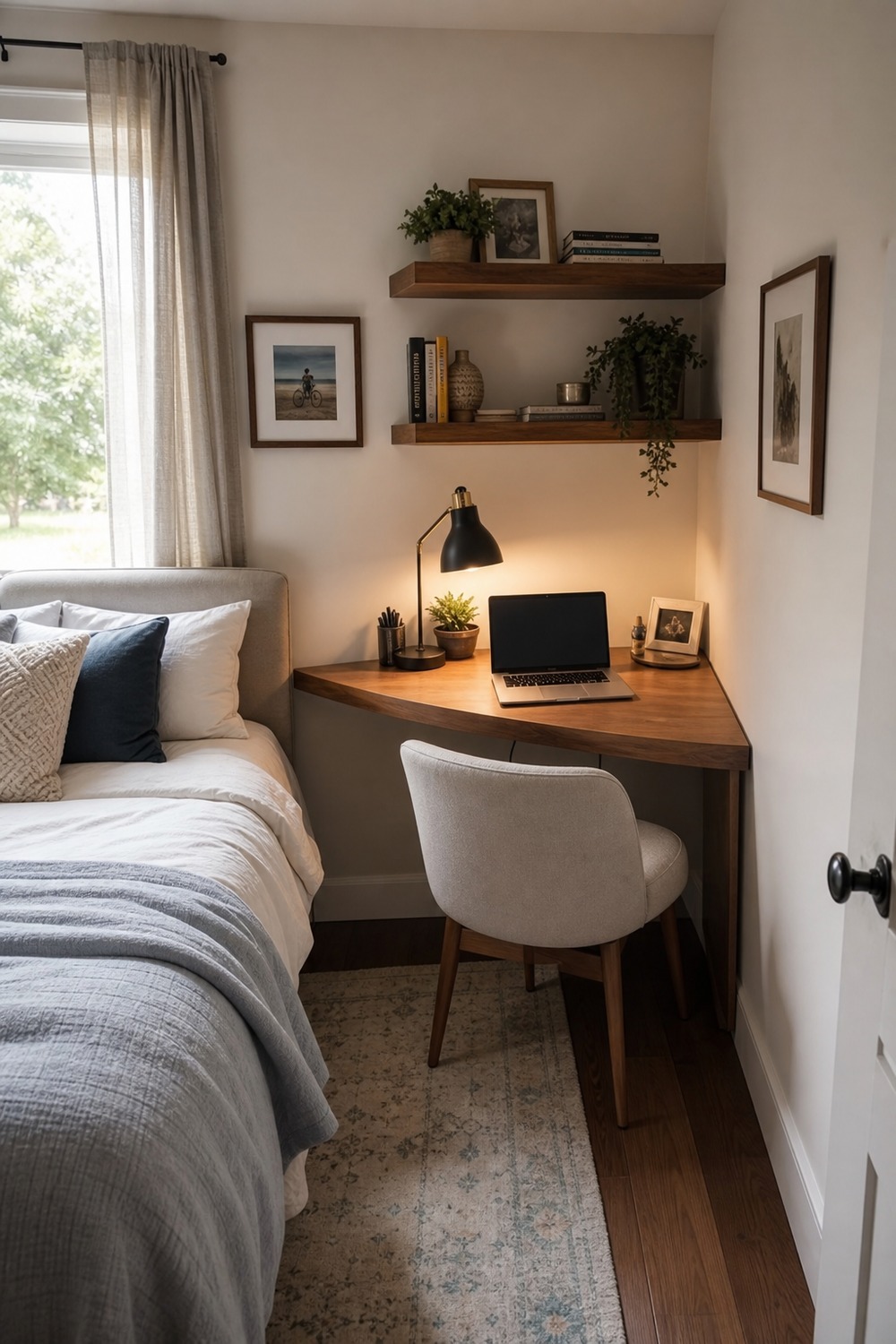
This corner desk works because it is shaped for the awkward little space instead of fighting it. The triangular top makes the desk feel custom and compact, and I like that the chair can stay tucked in while the walking path still feels open.
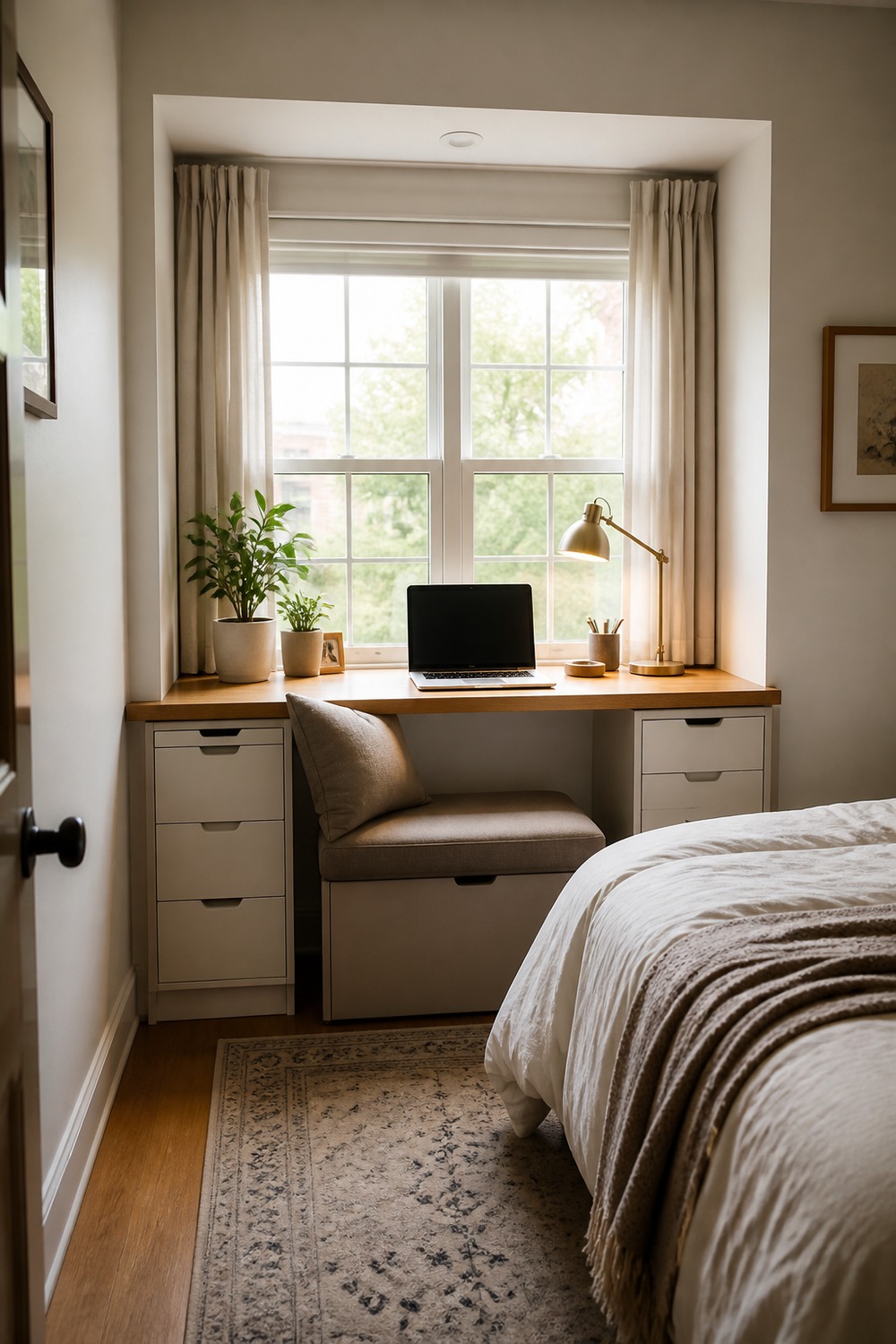
A window bay office feels almost like cheating in a small bedroom because it uses a spot that already has a natural frame. The bright light makes the desk feel less boxed in, and the built-in ledge gives it a cleaner look than squeezing in a separate table.
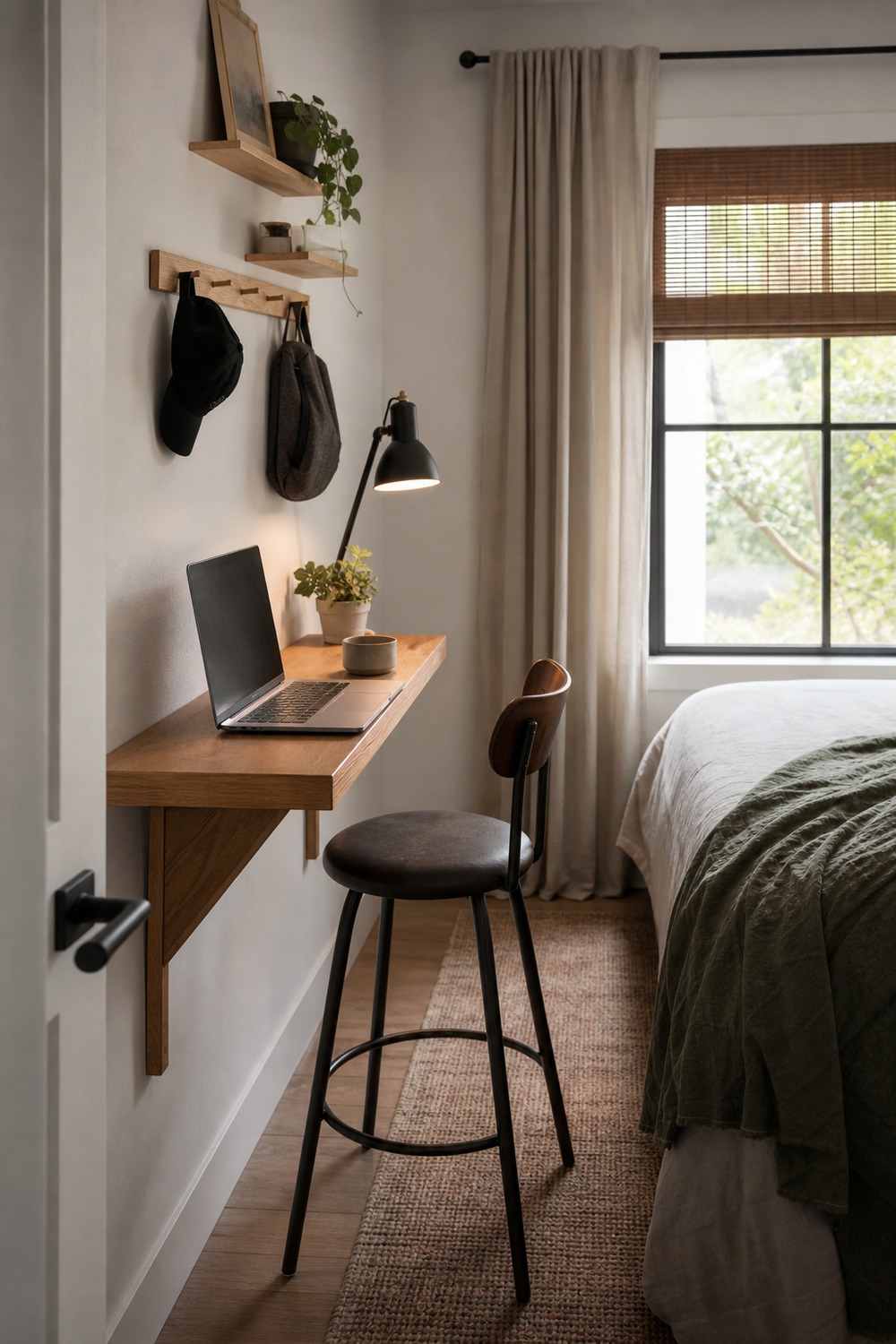
The standing shelf desk is a nice option when there really is not room for a full desk and chair situation. It feels better for quick laptop sessions, notes, or checking email, and the wall-mounted shape keeps the bedroom from feeling heavy with furniture.
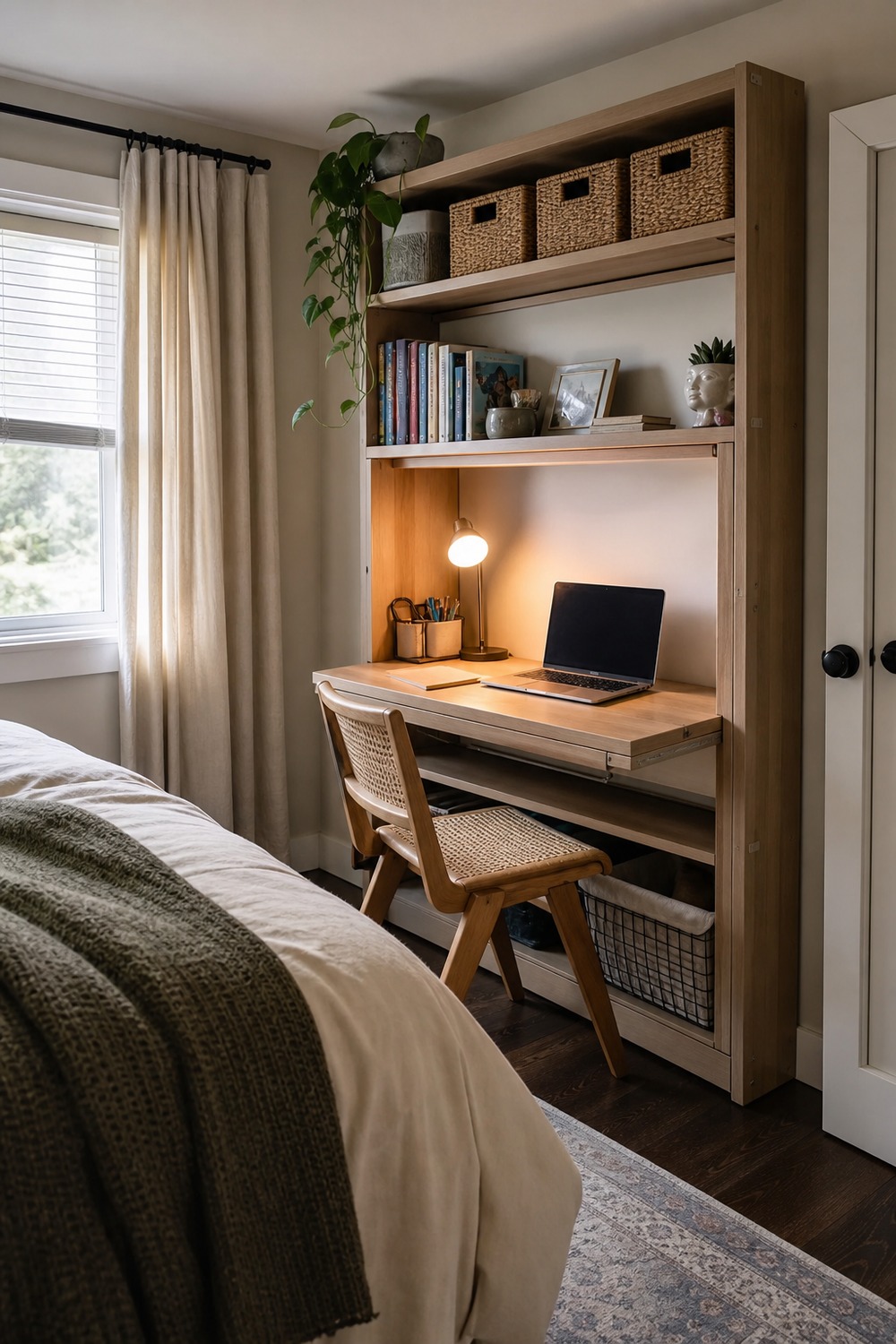
This one is useful because the office is hiding inside storage the room might already need anyway. The foldout shelf gives you a work surface when you need it, but the whole thing still reads more like a bedroom bookcase than a permanent desk zone.
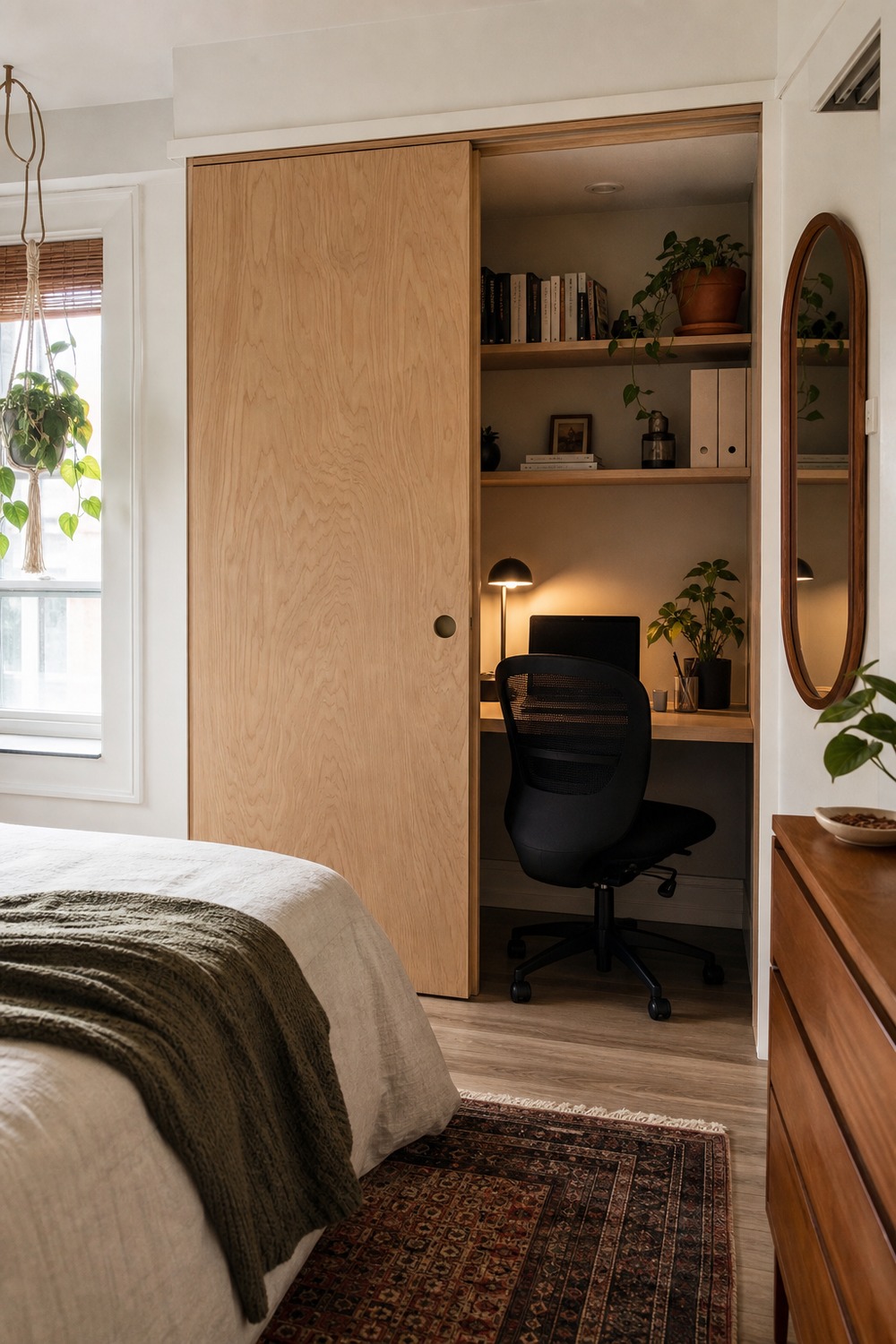
The sliding panel makes this feel more intentional than just putting a desk in an empty corner. I like that the office nook can be partly hidden, which matters in a bedroom because sometimes you do not want the work area staring at you all night.
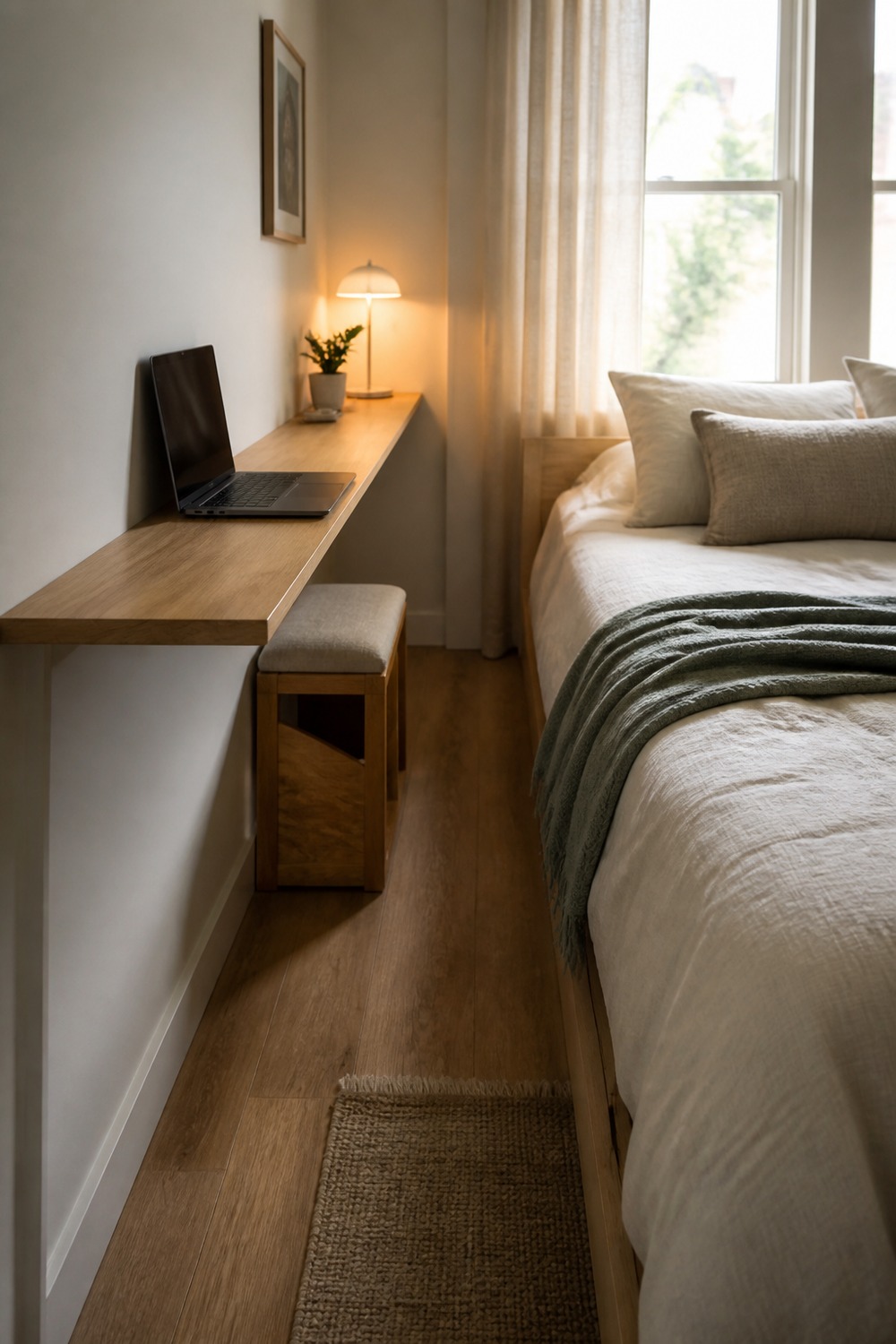
A narrow console beside the bed is a practical compromise when the room cannot handle a normal desk depth. It gives just enough surface for a laptop and lamp, and the tucked-in stool keeps the whole setup feeling slim instead of turning the bedside area into a cluttered office.
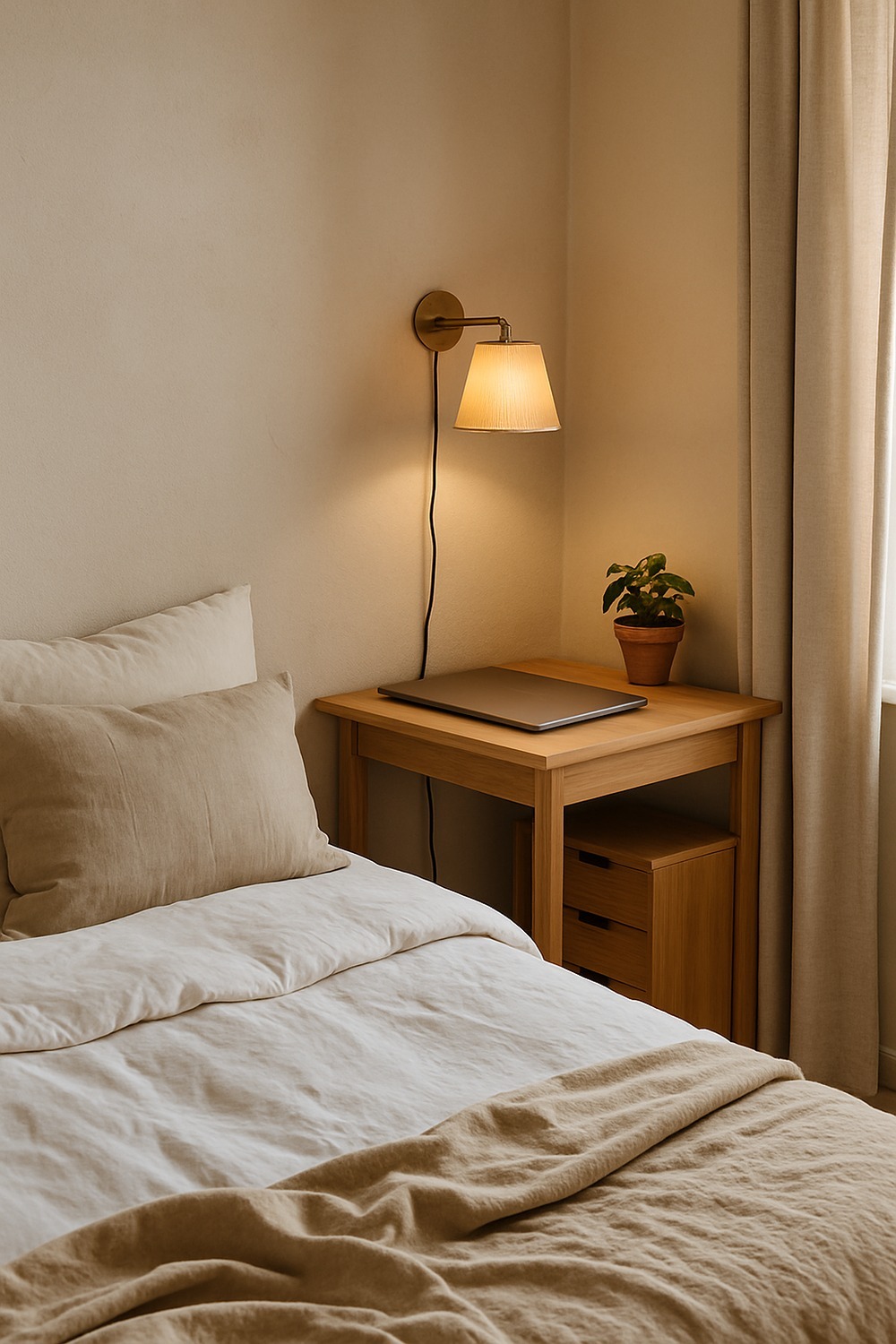
This one makes sense because the desk is doing double duty as a nightstand. It feels especially good for a tiny bedroom where adding a separate desk and bedside table would make everything feel squeezed.
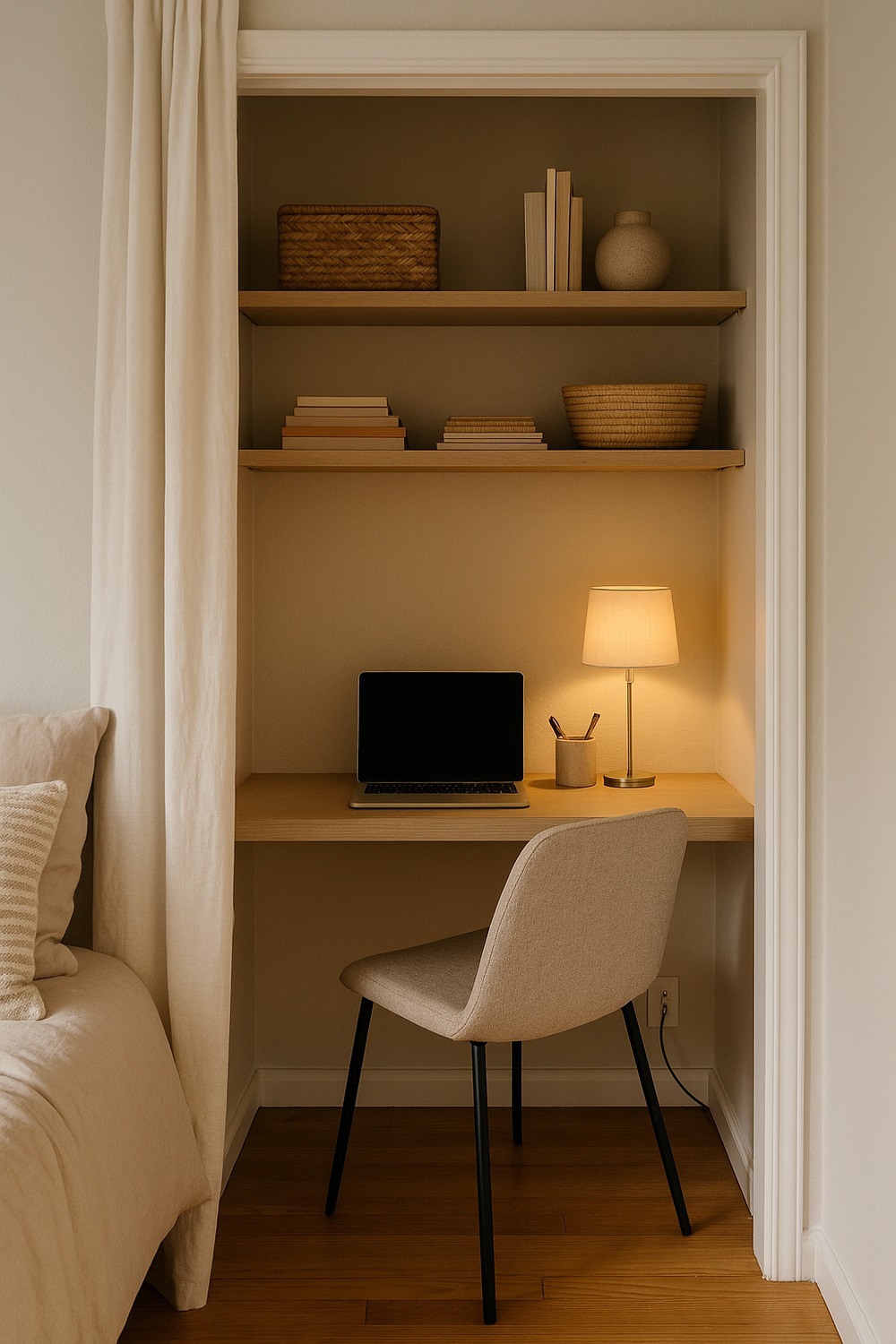
The closet office idea is one of my favorites when the room has no spare wall. It keeps the work zone tucked away, and the shelves make it feel like a real little nook instead of a desk shoved into a closet.
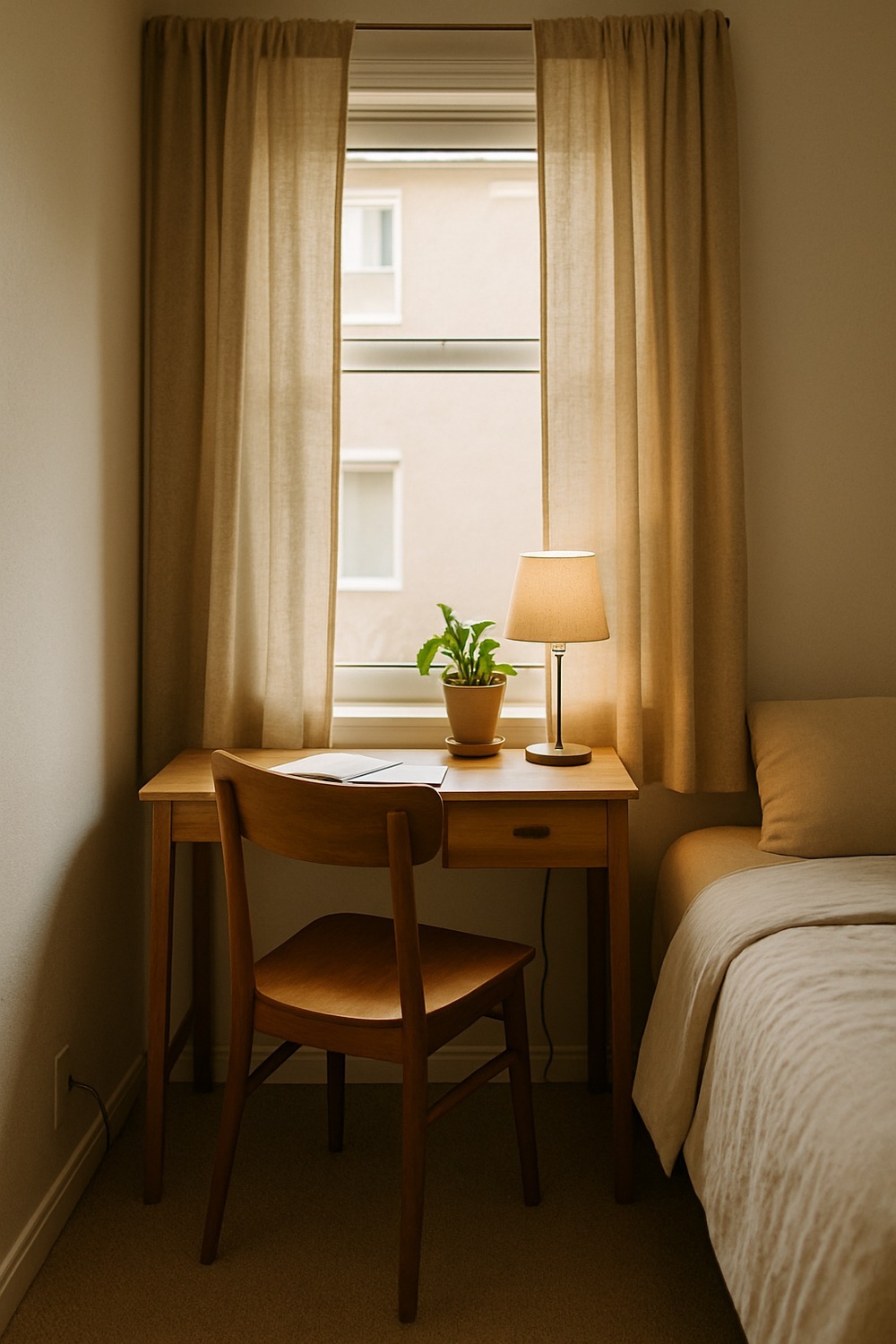
A window desk always feels better than facing a blank wall. The natural light makes the small workspace feel less cramped, and I like that the bed is nearby but not visually taking over the desk area.
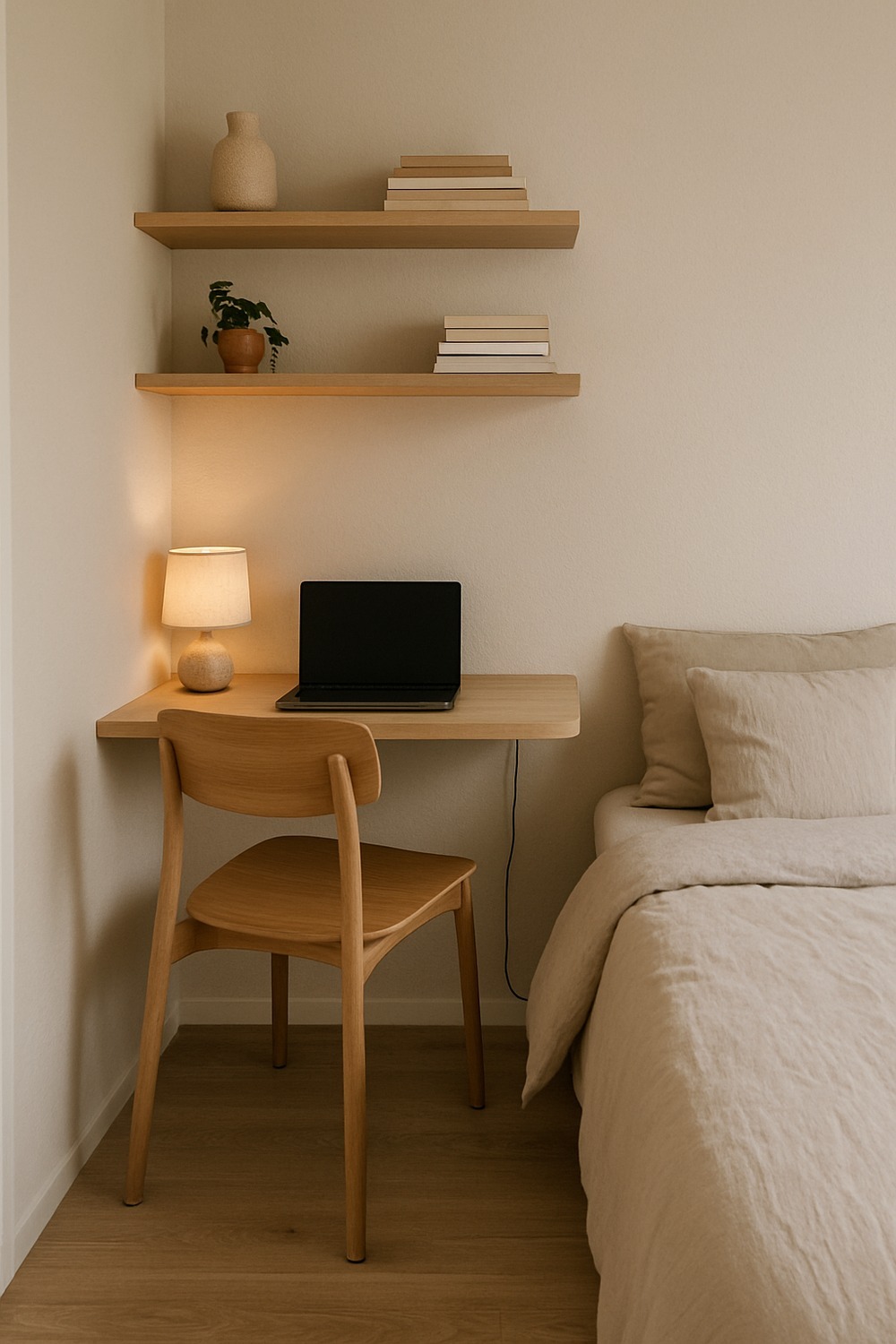
The floating desk is such a good small-bedroom move because it keeps the floor feeling open. This setup looks light, almost like it belongs to the wall instead of eating up the room.
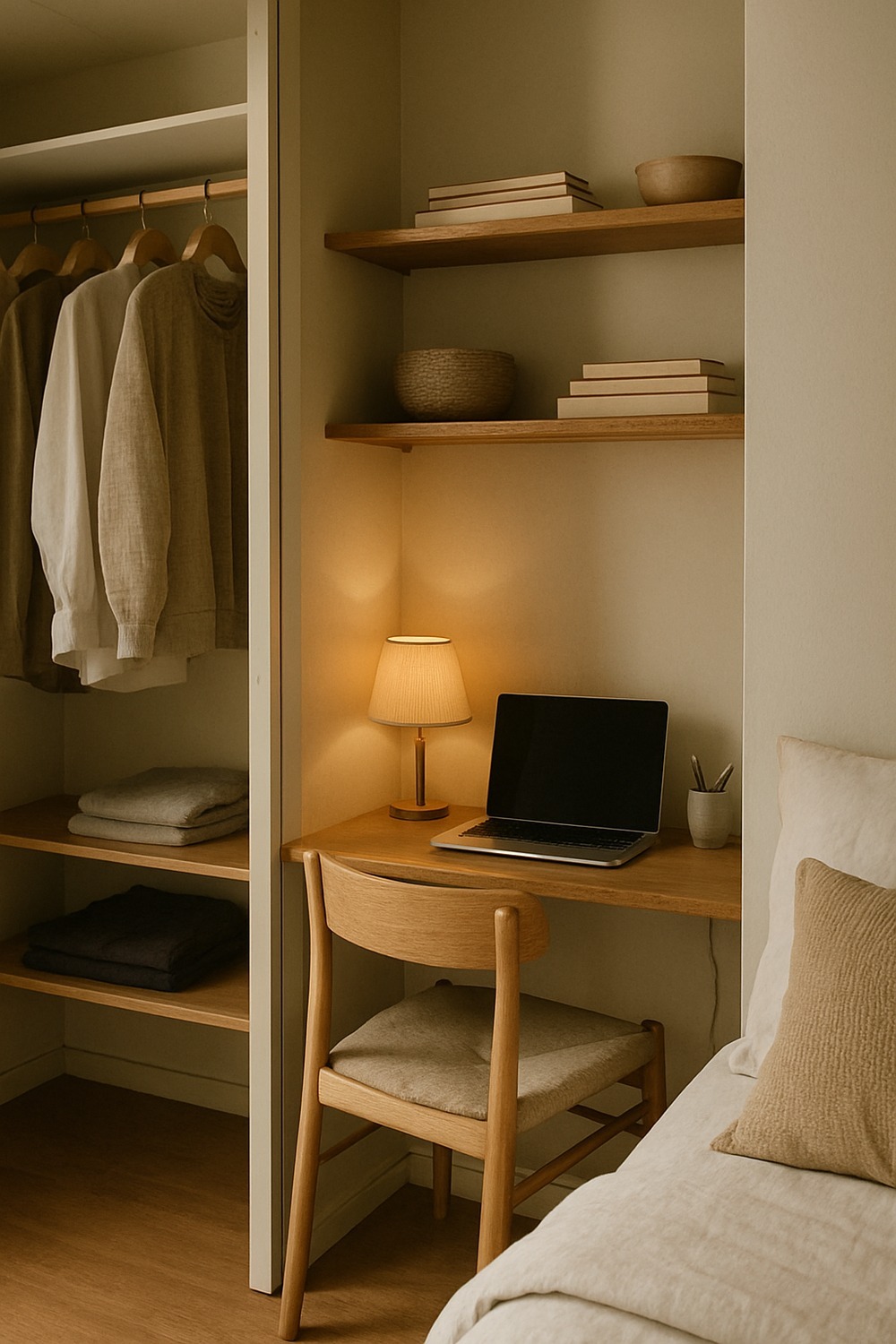
This feels realistic for a room where storage and work have to share one wall. The alcove gives the desk a boundary, so it does not feel like office stuff is spilling into the whole bedroom.
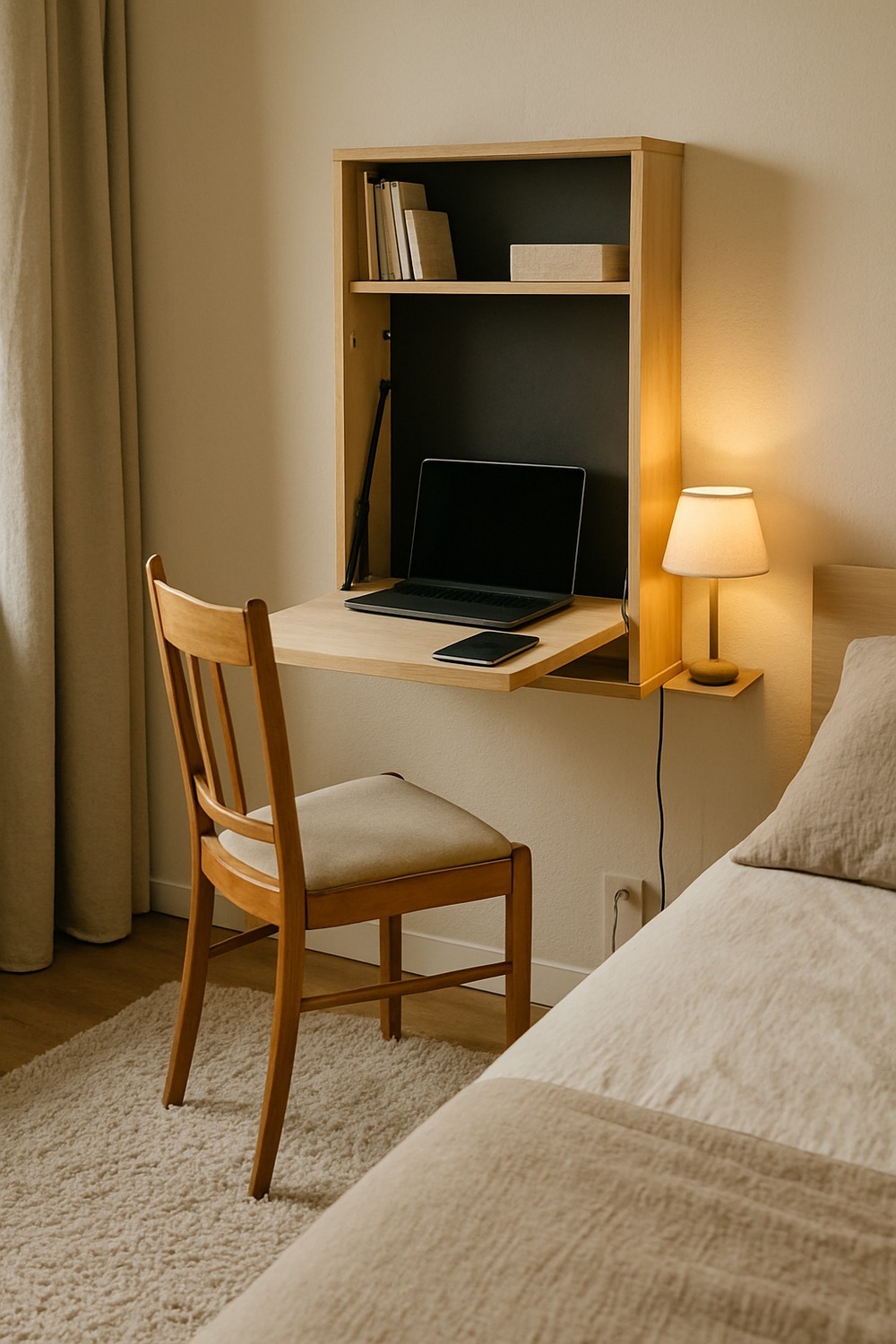
A fold-down desk is great when the room only needs to become an office sometimes. I like that it can visually disappear more than a full desk, which matters a lot in a small bedroom.
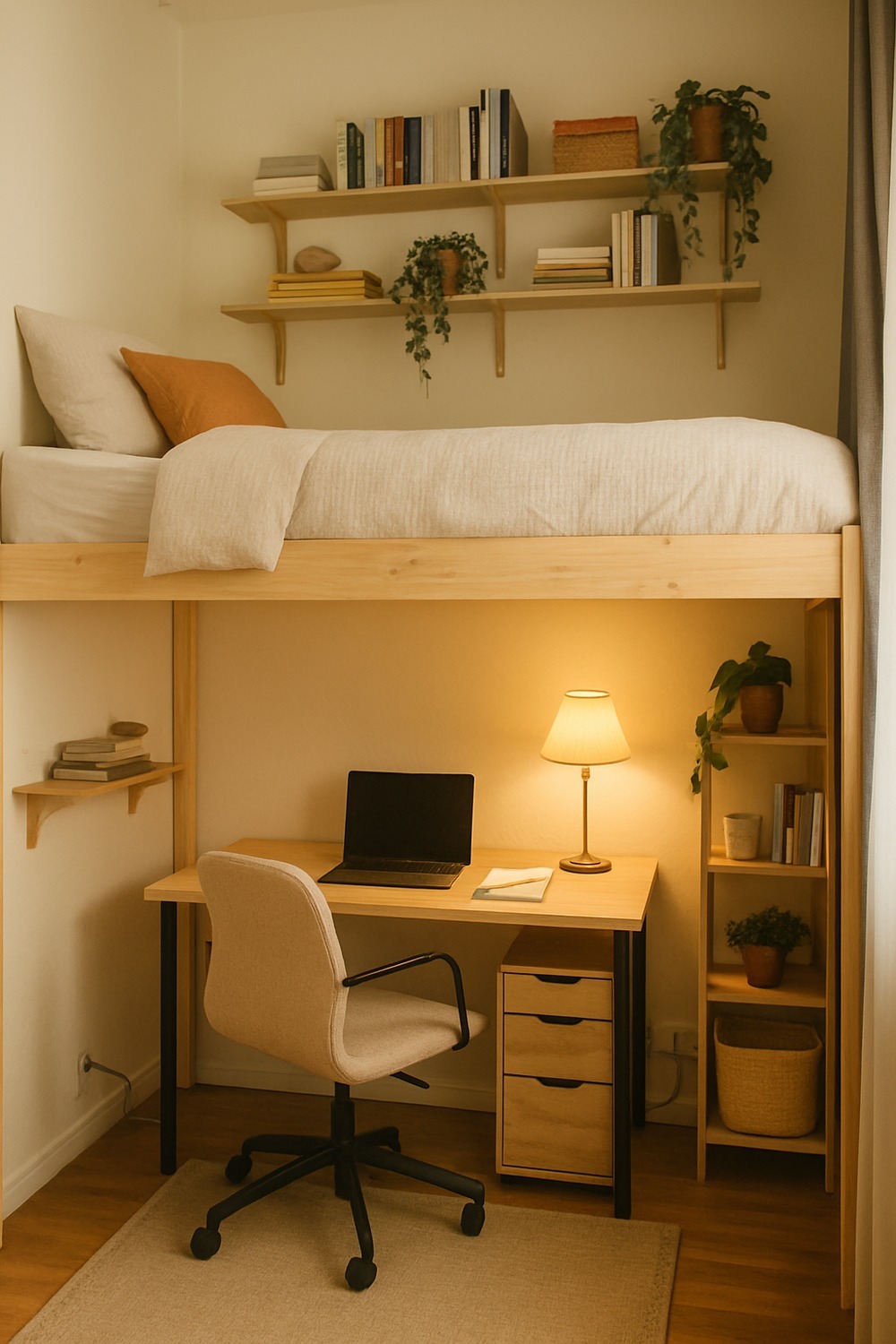
If the room has enough height, using the space under a loft bed changes everything. The office has its own little zone, and the bedroom floor suddenly feels a lot more useful.
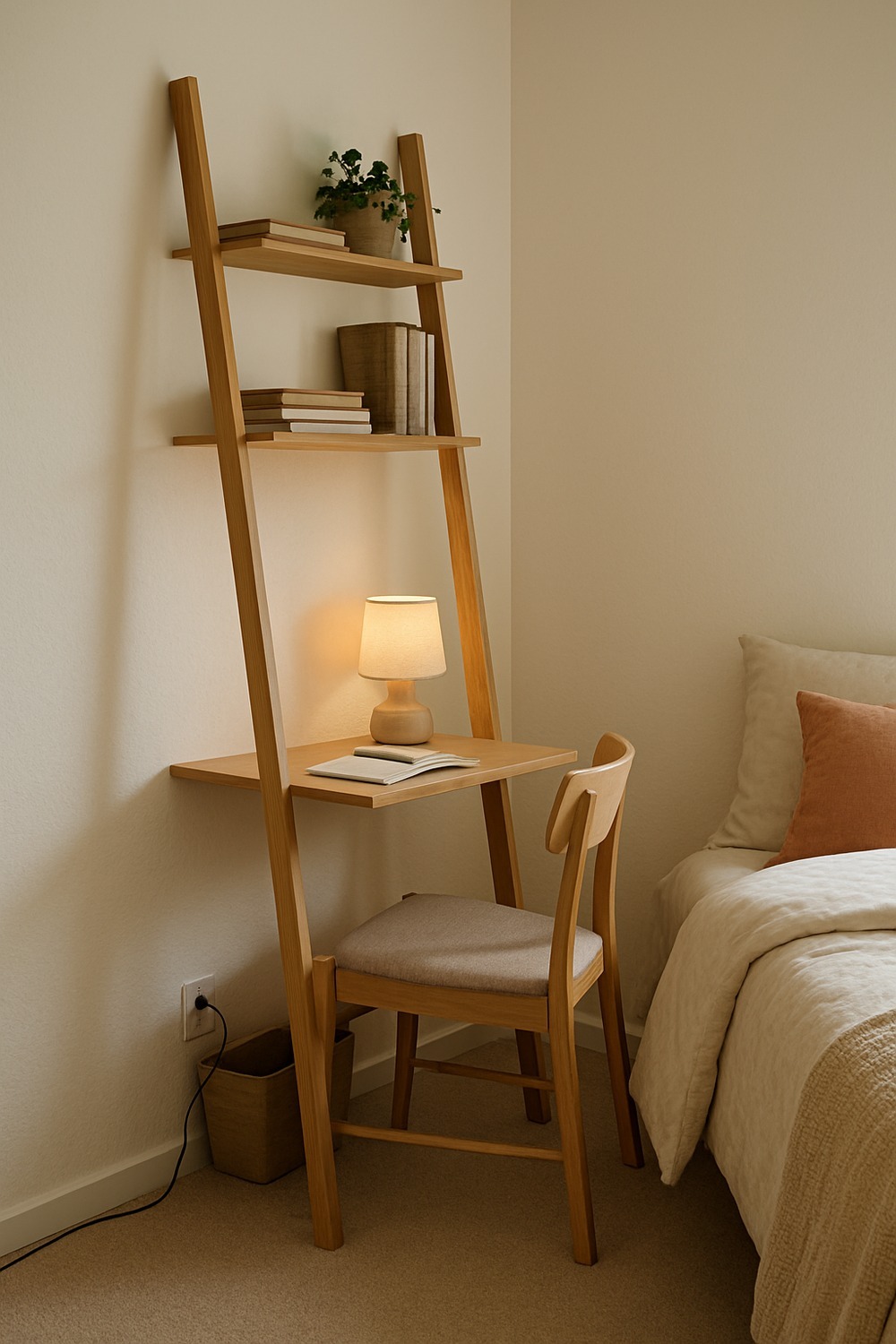
A ladder desk works because it uses height instead of width. The whole corner feels useful, but not bulky, which is exactly what a small bedroom office needs.
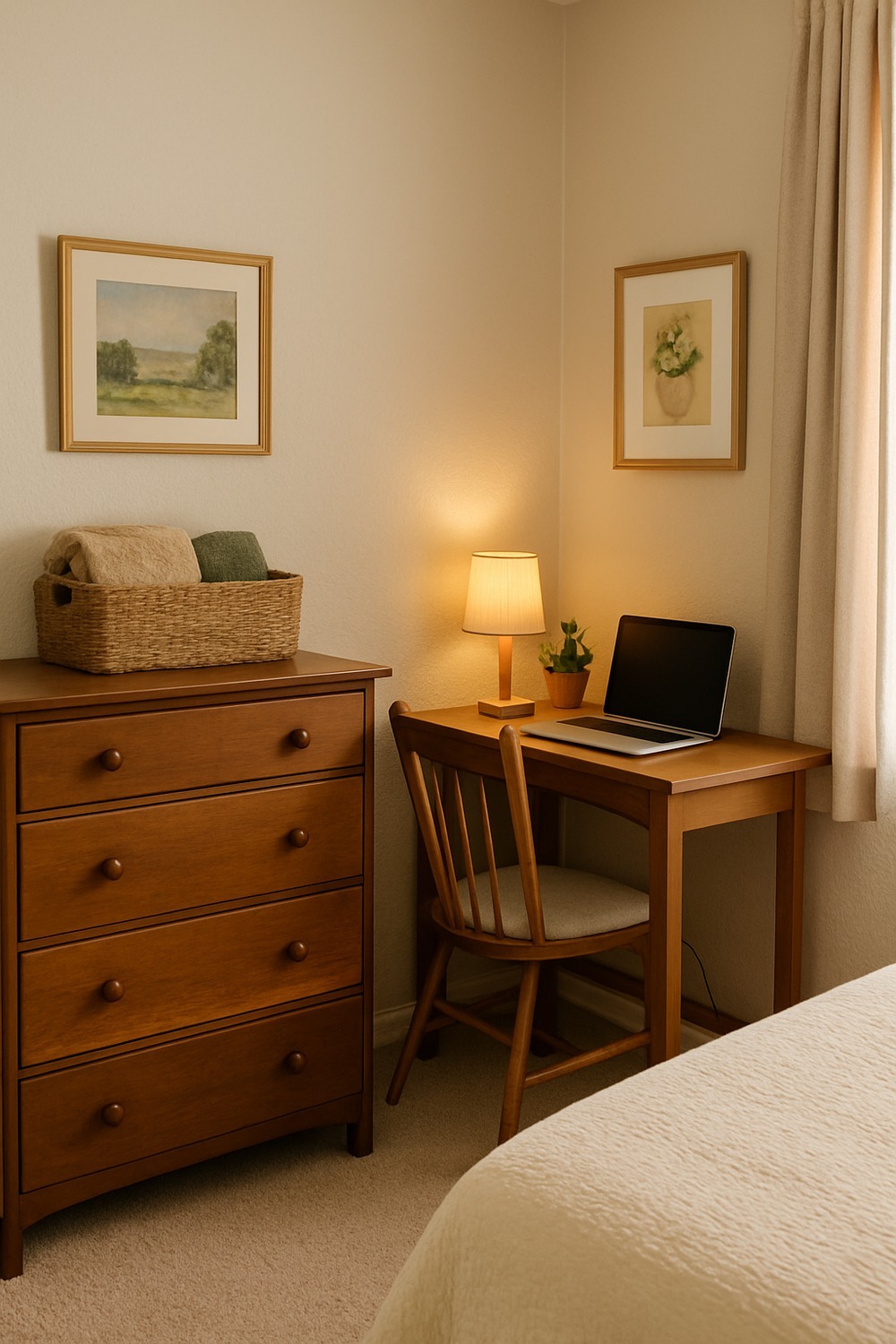
Putting the desk beside a dresser can make the whole wall feel more intentional. It creates one storage-and-work zone instead of scattering furniture around the room.
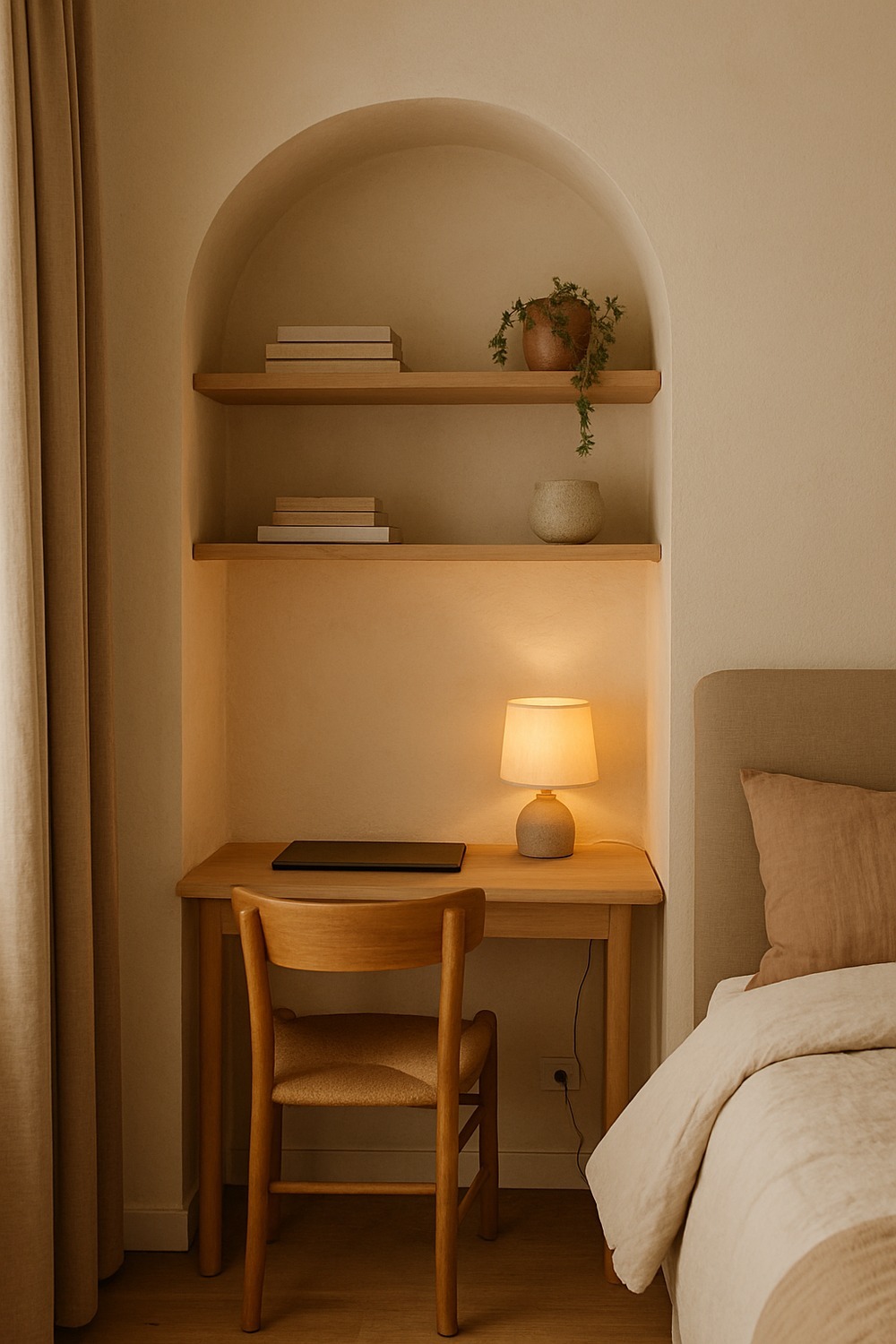
An alcove makes even a tiny desk feel custom. I like that the wall shape gives the work area a cozy frame, so it feels planned rather than squeezed in.
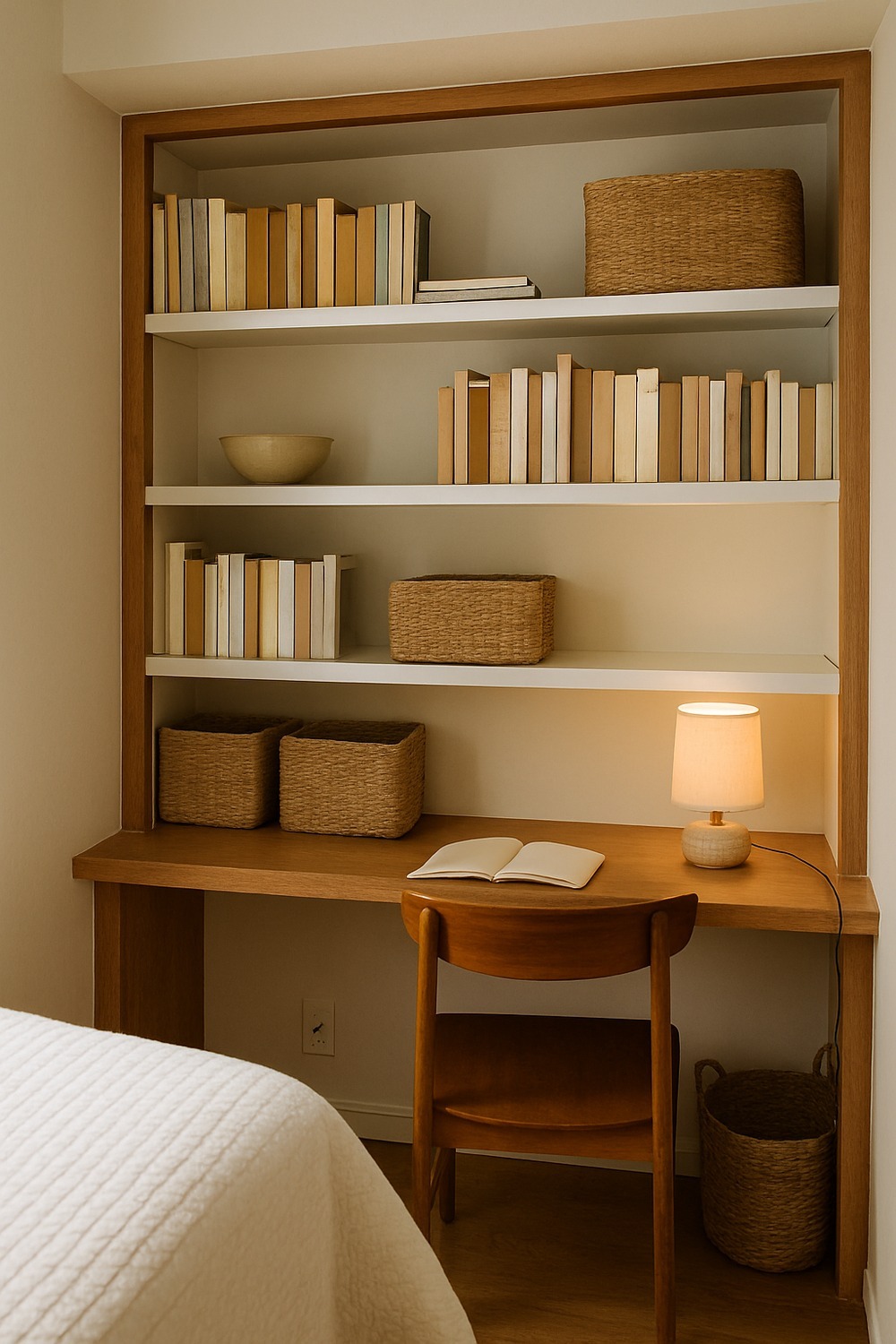
This feels like the most organized version of a bedroom office. The desk blends into the shelving, so it does not look like a separate random workstation was dropped into the room.
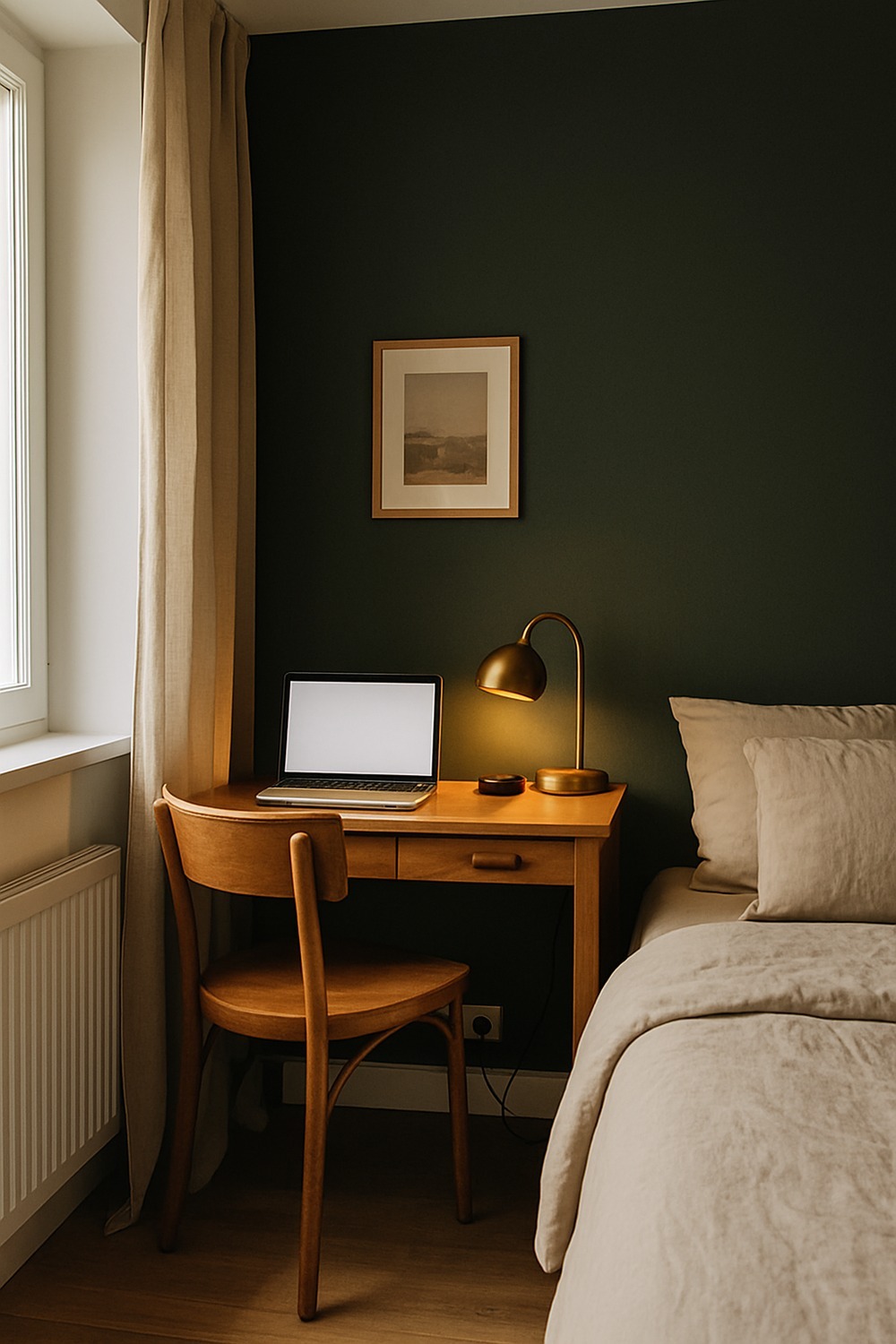
The darker wall makes the corner feel cozy and a little more grown-up. I like that it gives the desk personality without needing a bunch of extra decor.
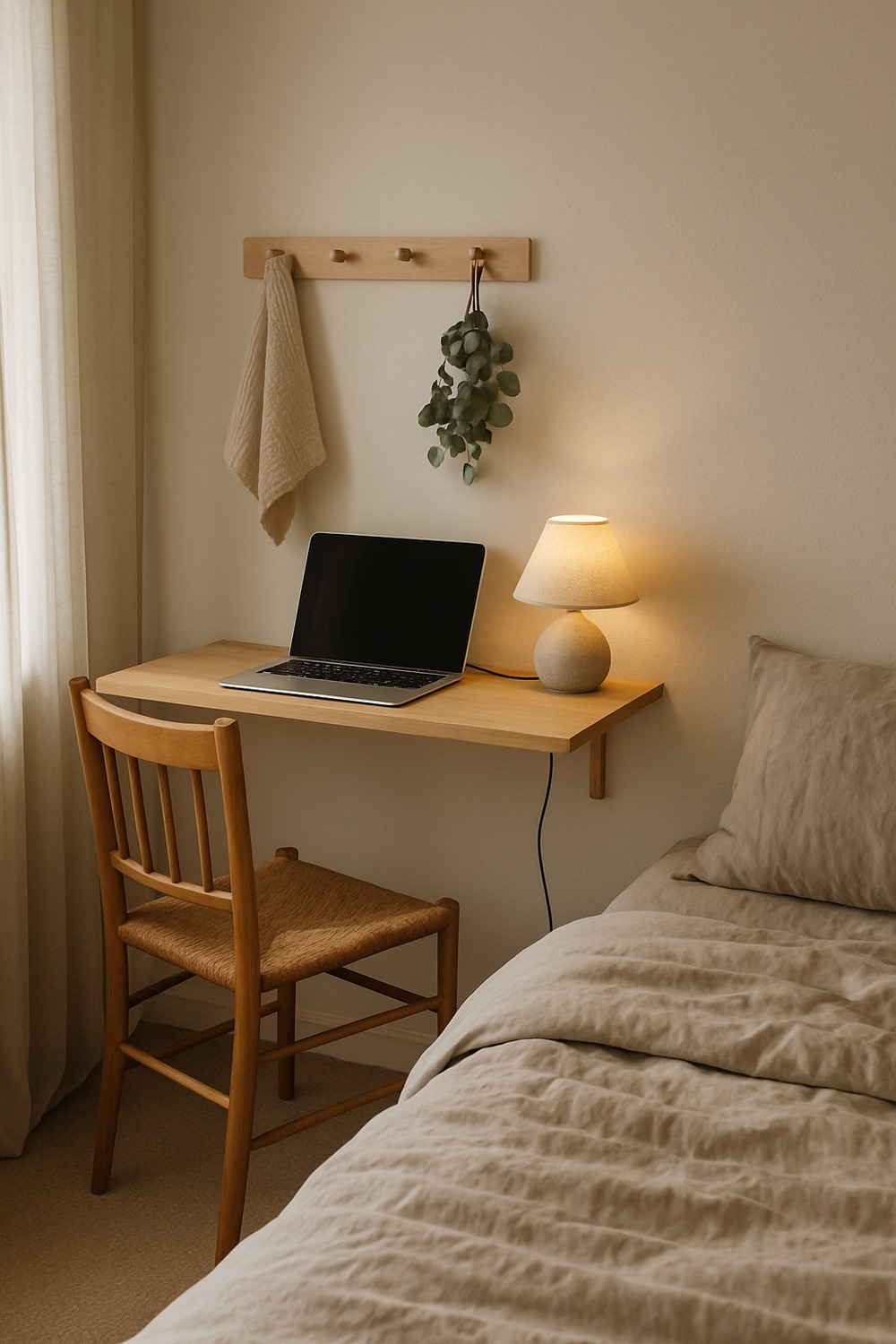
This is basically a desk without the heavy desk feeling. The shelf workstation keeps things light, and I like how the peg rail adds function without making the wall look crowded.
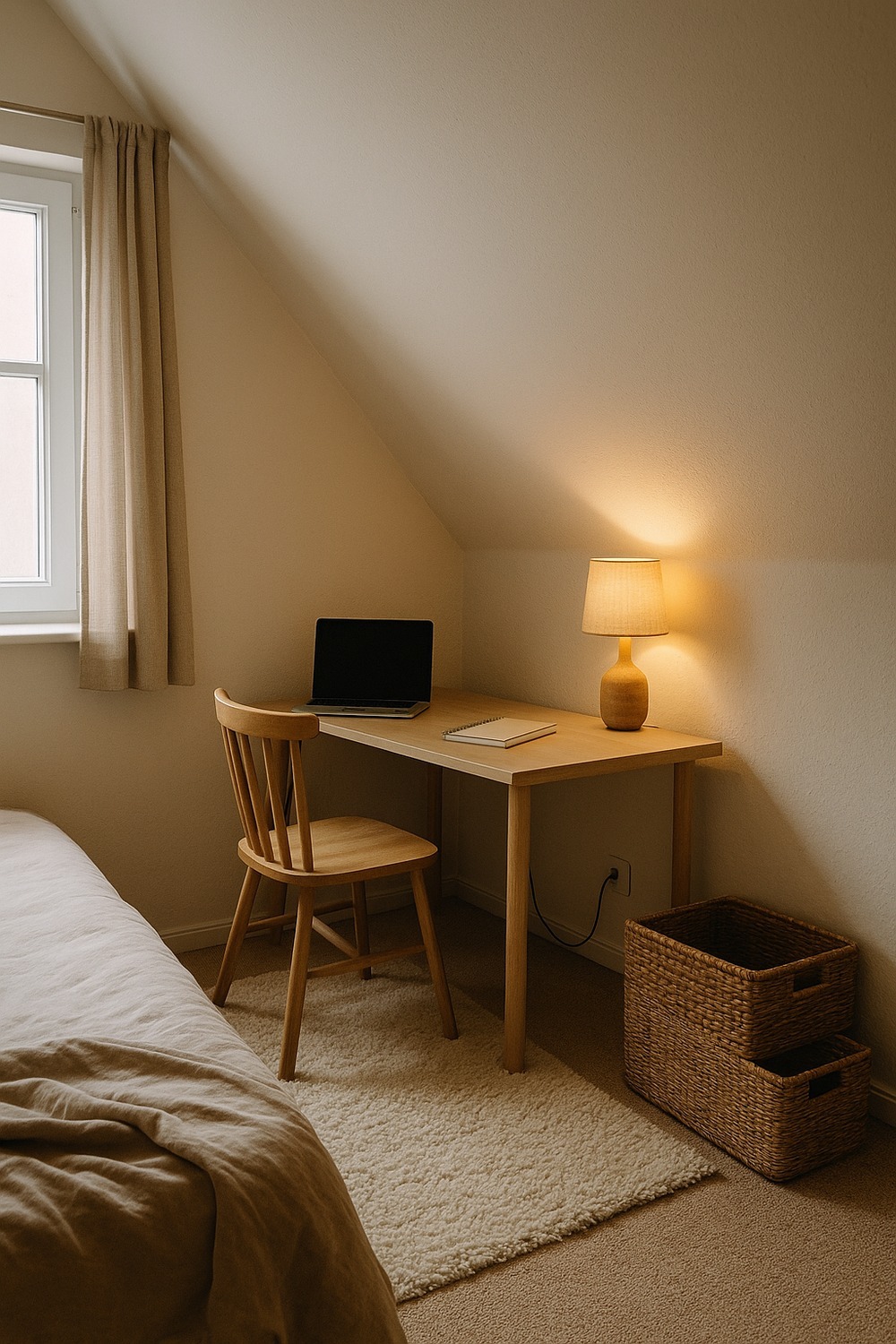
A slanted ceiling can be awkward, but it also makes a desk corner feel tucked in and cozy. This one uses the low wall in a way that feels natural instead of wasted.
A small work area does not have to feel like a compromise. The ideas I like most are the ones that make the space feel easier to live with, not more crowded or overly decorated.

My name is Vance, and I am the owner of To Ergonomics. Our mission is to improve your workflow by helping you create a supportive and welcoming environment. We hope that you’ll find what you’re looking for while you’re here.
Leave a comment